Geez… Almost the same as the last post.
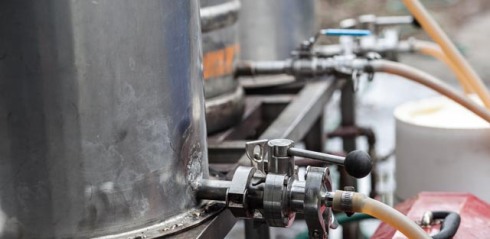
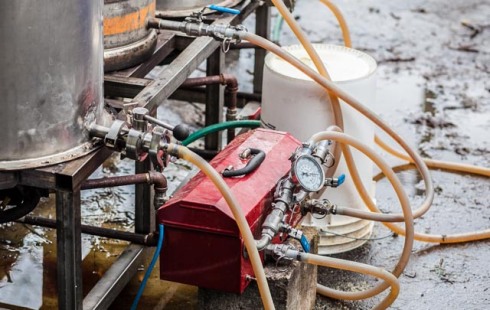
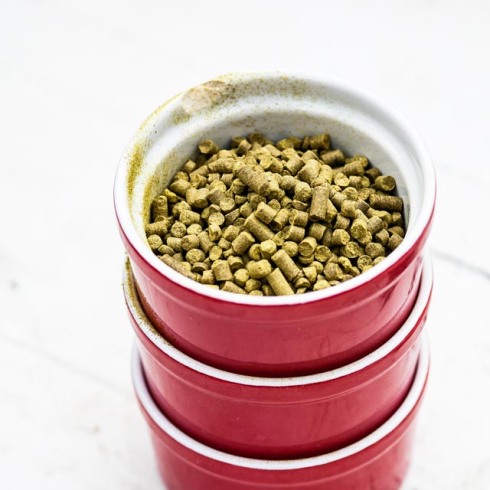
Last brewing day, new lens, random pics.
Here you go: 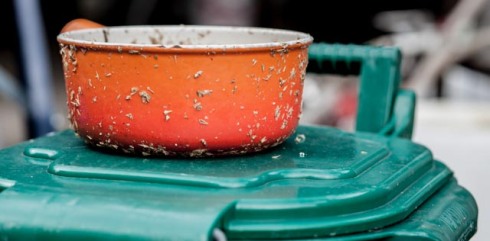
Geez… Almost the same as the last post.
Last brewing day, new lens, random pics.
Here you go:
Haven’t done much brewing at home these last few months but the last time I did I made a bit of an effort to take a few pictures with a recently acquired lens. Nothing special here but some random “artsy” shots from the day.
Enjoy!


Seriously. I don’t think I have had a worse brew day at home or at work.
It started very well with a full tank of water at temp and grain in the hopper. All good. Got some of the water in the MLT above the screen went to turn on the auger to get grain from the mill to the MLT. Dead. Nothing. Nada. Not even a whine.
Checked everything that I could check. Got assistance from the head of packaging to check everything that HE could think of. Still nothing.
Plan B: Mill the grain into individual bags at the point of milling and tote all those bags to the MLT dumping them in one by one and stirring the mash to hydrate. I know it’s what a lot of craft brewers do but I haven’t had to do it until today. All 190kg worth. 😦 Just like homebrewing… x10. I kind of felt like I had the crap kicked out of me and I’m only two hours into my day.
All went well with the brew from that point on but what is normally a 15 minute process turned into an hour and a half significantly extending my brew day. Much clean up ensued with the help of brewery folk available.
At the end of the brew day, at the end of boil, I whirlpool for 15 minutes and rest for 30. During that time a transfer was taking place and a line circulation was needed to sanitize the lines for transfer. That’s right around the time I set up for my cooling in from boil kettle to fermenter. While cellarmen were circulating hot water to sanitize I started to set up my lines but forgot that one of my lines was also one of THEIR lines. I went to disconnect a line that had 180ºF water flowing through it and realized that it was still flowing. Luckily everybody was right close by so I asked them to stop the ciruclation. They did and one of two things happened: circulation was restarted thinking that I had reconnected the line or leftover water in the lines sprayed out at me once I dropped the line.
Regardless, a whole bunch of REALLY hot water sprayed at my chest and stomach and I got burned. Luckily I was very close to our chemical wash station (i.e., cold water shower) and I jumped right in and pulled the trigger. Some relief but certainly not long lasting. I spent the next 10 minutes or so trying to cool my burns down. I was soaked from head to toe with my wellies filling up bit by bit with every spray of cold water.
I tried to stay focused on getting set up for cooling in but was likely a little bit shocky from the experience. Luckily I have a shift brewer around and he took over which allowed me to recover and get a lift home from my daughter.
No damage. Eight hours later or so it feels like a bad sunburn: a bit stingy and slightly pink. No blistering, nothing permanent by any means. I laid down with some ice packs on my chest to keep the burns cool and by the time I got up things were much improved. Always many lessons learned.
Then, tonight at home, I was transferring to a keg and getting ready to rinse/flush gear. I turned on the hot water tap which hadn’t been used since before vacation. (When we go on vacation we shut off the water to the house for various previous reasons. LOL) When the hot water came on it was fine but there were air pockets in the line and it flowed fine for a while then burst forth and sprayed on the ceiling. I thought it was done and kept the hot water flowing it then let forth another burst and sprayed on me.
What? TWICE in one day? Come on! This one was in no way as bad as the first, but still.
Hot water and I are not getting along today. 😦
Hot water, it’s what’s on tap…
Got invited a little while ago to brew with the Four Fathers. They’re an Elora-based start up brewery or concept brewery that is just starting to get off the ground with a few good beers and recipes.
I met the Four Fathers when they came to Grand River Brewing for a brew day. We hung out for the day on “my” brew system and had a great time. At the end of the day they invited me to their brewery for a brew day. “It’ll be fun”, they said. “We’ll have a great time”, they said.
They weren’t wrong. Here is what greeted me upon my arrival at “the brewery”:


(Please see title of this blog post LOL)
Behind the scenes, however, it was closer to my usual brewing experience:

Controlled chaos, moments of confusion, missed timings, near boil overs, slight messiness… Really, just the usual brewing experience.
They have a Sabco BrewMagic brewing system which was a treat to brew on. New to me but if I were to do it again I would do a bit more reading on it and figure out a few more of the features of the system to allow for repeatablility of recipes and programming mash profiles etc. Would love to have one of these for my own use but will need to save up a few more dollars before that happens. 😉
We ended up brewing a session IPA, of sorts. We’ll find out in a couple of weeks. Hopefully I’ll be able to get back to have a taste and maybe brew another beer. One more father in the mix of Four Fathers.
Got this little bit of news today in a comment:
Hey there,
I just wanted to give you a heads up that itswhatsontap.wordpress.com has been featured in the 2015 HomeBrew Blog Awards.
http://www.brewingforbeginners.com/best-homebrewing-blogs-2015/
Congratulations and keep up the good work with It’s Whats on Tap !!
Cheers,
Landon
Wow!! Who knew?
Wow! It’s been almost a year since I last posted something. That’s embarrassing. Let’s get a post in before that one year passes, shall we?
Much has happened over the past year in my many lives to keep me from posting here on this blog but I’m hoping to get back to it regularly in the coming months.
Last year (2014) was a very busy year in many respects. I was busy with my life of playing trombone as I spent a season in the pit in Stratford for Man of La Mancha, teaching at UWO, playing with the HPO and OLC (which just announced their bankruptcy as evidenced by the lovely website. LOL)
Family life was busy with an exchange student here in the fall and another here currently until the end of June. Much accommodation has been made to have an extra body in the house but it seems to be going okay.
Brewing at home was relatively busy last year with a bit of equipment acquisition and figuring out the new (now old) system. It’s pretty dialed in now so a brew day is pretty straight forward. I have even done a double brew day with no problem. (perhaps a future blog post)
The biggest news relative to the topic of this blog is that I am now a full time professional brewer. I returned to the brew house at Grand River Brewing to take over the duties of the former head brewer in late January. I am continuing in that position and thoroughly enjoying it. It’s a steep learning curve but things seem to be falling into place.
It’s quite the adventure and also quite a bizarre life to stand over a boil kettle making large amounts of beer and getting paid for it. Twenty five or so years ago when I first started brewing with Peter there is no way I would have imagined that I would end up where I am right now.
That’s it for this post. Let me try to get back here on regular basis to update you on my own brewing and things I bring from the big brew house to the small and vice versa.
Just tapped a rather pleasant IPA this evening and still have an American Stout… It’s what’s on tap.
(The following post is all meant in good fun. I’m not really hostile about other brewers’ practices. 🙂 )
I grow my own hops and have used them before. They’re Hallertau and great for making pilsners, harvest ales, beers where the hops can just be out of the way: fruit beers, spiced beers. I’ve written about whole hops on this blog before. I think I wasn’t kind.
That said, I’m calling out my fellow brewers who don’t say that whole hops are a pain in the ass. Who’s growing them, who’s harvesting them, who’s drying them, and who’s using them? (I know my dear friend Peter is using them and to great effect so feel free to comment, Peter, but I know you’re all over this 😉 )
I think there is a secret that needs to be told and I’ve said it here on the other post: Hops are a pain in the ass AND nobody really wants to deal with that despite what brewers say. The number of times I offer up a free rhizome split and all the positive responses and then… Nothing. Same for picking your own… Well, one person came (in 10 years of offering).
“Free hops. Come and pick your own. Pick whatever you want and take them home and brew with them.” *crickets*
It’s okay, fellow brewers, you can say it and admit it freely here and you won’t be ostracized: Whole hops are a pain in the ass.
All together now…
It’s all come together! It is, for all intents and purposes, done. There certainly is some tweaking to do and a few bits and pieces on my wish list but it works and makes a bunch of beer in one go.
My last brew day I took some pics to show the set up. Some of the line set up is not pretty but that is part of the tweaking. I’ll just have to have a few more brew days to figure it all out. 😉
This is generally what my driveway/brewery looks like on a brew day. The blue cooler is no longer a MLT but is now a bin to tote material from inside: scale, chiller, pumps, etc.

The Brewery
HLT set up for heating strike water. I recirculate the water as it’s heating just to avoid hot/cold layers. It makes the temp reading up top a bit more accurate. This is one place I could use an inline thermometer.

HLT
My fly sparge set up. HLT to pump to MLT. MLT to pump to BK. Flow adjusted so hot water into MLT is roughly the same rate as wort to BK. Works like a charm!

Fly sparge
Top of MLT. Foil with holes just to avoid channeling in the grain bed.

Sparging
Lauter line into BK. I had originally had the line with the tri clamp fitting as the lauter line and had that attached to the top port. This set up is better with the line going to the bottom of the BK. Less splashing, less foaming, easier to see volume when the wort gets near the top.

Lautering
This is the set up for sanitizing the chiller. For the last 15 minutes of the boil I just recirculate wort through the lines and chiller. The line set up is not pretty and I’ll be tweaking that so that the moving of lines for cooling in and chasing wort with water is a bit easier and smoother. Using the MLT as a chiller stand was a last minute thought and works well. I had originally thought about mounting the chiller on the stand but knowing now how much back flushing is required it’s easier to have it loose for now.

Sanitizing Chiller
Set up for cooling in. This basically works. The line from BK to pump needs to be on the other side of the keg the chiller is sitting on. Part of my waste water from the chiller is going back into the HLT so that when wort is done in the BK I chase the wort through the lines with the water from the HLT. This is another place I would use an inline thermometer just to adjust the flow and get the pitching temps right, or at least close.

Cooling In
There you have it! That’s basically a brew day on my new set up. Thanks to Clay for the build and thanks to Scott for the gas plumbing and pump box! Fantastic work!
Finally… Drove to Montreal yesterday to pick up my barrel at my friend’s house. It is now safe and sound at my house and awaiting an addition of a lovely Imperial Stout to age for a while. VERY excited!

The barrel

Artsy barrel image

Another artsy barrel image

A brewer and his barrel

A brewer and his preciousssssss

The fit couldn’t have been more perfect in my car
Time to get the barrel… I’m off to Montreal tomorrow to visit my friend who is storing my barrel for me. Heading out tomorrow morning, arriving in Montreal late afternoon, headed to Saint Bock for dinner then to play some wonderful renaissance music for cornetts and sackbuts.
Friday morning I’ll load in the barrel to my car and head home. An all too short but sweet visit in Montreal.
I’ll be taking pics along the way and do a full blog post and update when I return.
 It's what's on tap...